Wednesday, June 12, 2019

Tuesday, June 11, 2019
Monday, June 10, 2019

Sunday, June 9, 2019
Documentary and Research Assignments - Harvard Referencing for Both Research Dossiers from Each Assignment
Page 1 = Research Assignment Research Dossier Harvard Referencing
Page 2 and 3 = Documentary Assignment Research Dossier Harvard Referencing (Also Included for Research Assignment Research Dossier too)
Saturday, June 8, 2019
Research Portfolio: Secondary Research 7 - Secondary Research from Screenplay Research Dossier
Finally, the last secondary research I acquired for my screenplay development and for the assignment as a whole as well as for this research task is the secondary source inspiration from my screenplay that I documented into a research dossier. As I mentioned during the research portfolio of my primary research, this is once again a successful piece of secondary research. This is where I had to document my inspirations in both a primary and secondary source sense for my screenplay assignment about how I created and developed my screenplay in terms of my thinking and research altogether. This was very successful secondary research and a good example due to the way these two inspirations of the Nicolas Winding Refn film 'Drive' from 2011 and the NHS website allowed me to produce an in-depth cinematic narrative of the moral, betrayal with added authenticity of the drug addicted character that is the main character's neighbour. Along with the primary research of my imagination and Paul Hannaford. This further develops the authenticity through certain cinematic aspects, like the character's persona and the mise-en-scene. Whilst also using 'Drive' to familiarise myself with the aims of my screenplay as this secondary research produces the closest narrative to my imaginative primary sourced narrative. Causing these two successful secondary sources to be able to allow me to visualise back to my primary source experience of the dream and the assembly. Evidently, allowing these secondary sources to be very good examples in terms of its visualisation, use and key relation to back-up my primary source experience.
Research Portfolio: Secondary Research 6 - Screenplay Layout Research
This secondary research from my screenplay assignment was a slightly less successful and a more poor example of good secondary research. Firstly, this research was all about the screenplay layout conventions and the different types of layouts and their conventions in the film and TV industry. The reason for its lack of success was simply because of the fact that the different types of scripts weren't particularly necessary for this screenplay assignment. Especially as we used a piece of online software called 'Celtx' to develop the screenplay layout for the assignment.This almost causes this type of research to be irrelevant towards the production of a screenplay. On the other hand, even though this research was useful and knowledgeable to some extent. I do believe that this piece of secondary research is deemed unnecessary for my screenplay assignment, causing me to have used more time researching and developing my concept to the screenplay and short film a lot more instead of gathering information about a topic that is essentially laid out for me during the production process. As well as this, the unsuccessful aspect of it is then further developed through the use of no links to any of the information I gathered from the booklet that was given as a source, causing me to be unable to look back on the research when looking further into the topic. I also can't even look back into the example scripts either all due to the fact that no links were produced during this research task. Concluding me to learn from this element of research to next think whether it is vital to my assignment/task and to ensure I have links or the use of Harvard referencing for all the secondary research I managed to gather during a task.
Research Portfolio: Secondary Research 5 - Documentary Research Dossier
In this particular task for my documentary assignment, these pieces of secondary research were vital in terms of initiating my documentary on racism in football with a lot of racism recently occurring in the 2018/19 football season in which I was passionate on making a documentary about. This led to me looking at news articles on the England vs Montenegro game, the England vs Croatia game, Danny Rose and his urge to quit football along with Moise Kean being criticised for standing up against racism. These were all good examples of secondary research that explored numerous aspects of racism within football for me to present to my target audience within my documentary. This secondary research also produced a small sense of a shock factor through the concept of a footballer threatening to end his career over racism on social media as well as putting games behind closed doors all because they can't rely on their fans to not be racism in the modern day game. A piece of secondary research that I still find shocking today. As well as this secondary research, I also watched a documentary for my documentary production called "Out of their Skin" from ITV. This is where presenter and ex-footballer, Ian Wright discussed racism in the English game with past and present footballers. This secondary documentary source was the perfect piece of research that I produced within my documentary research. This was due to the fact that I could be inspired by the cinematography and editing within the 2-part documentary as well as think about the factual content and interviews in the very similar documentary that I intended to make. This caused the documentary to be inspirational from both a factual, topical and technical point of view, as it produced a great starting point from the history to the present of racism in English football for my racism in football documentary.
Research Portfolio: Secondary Research 4 - Unilever Re-Branding Product Pitch
The Unilever re-branding pitch task used quite a lot of secondary research to allow myself to get to know the product a lot more as I presented it to the class as producers of the TV advert production as well as using secondary research to gain an understanding of the future of the product and who I want to re-brand it to. This is where I had to research into numerous key secondary factors, such as Unilever as a product, Pot Noodle prices, along with BARB figures and information about Pot Noodle, the product I was re-branding. In which all this secondary research was very successful and good examples of secondary research. This was due to the fact that I was able to present my re-branding TV advert concept in the form of a pitch with confidence knowing that my research was correct and reliable by the fact that the majority of the secondary research was found through their official websites that branded the Pot Noodle product, such as Unilever. However, I do believe that this TV advert secondary research was not as good as my TV advert analysis research. This was since that I could not really transfer much of the secondary research like I could with the TV advert analysis. This is all because the secondary research was all based of Pot Noodle and Unilever itself. A concept I couldn't integrate into my Surf TV advert, compared to the research of BARB figures and the BCAP regulation codes that could be transferred from the TV advert analysis all the way until the TV advert evaluation that finished the entire assignment altogether. Causing this research to only really be a good and successful example in terms of this particular task and not through a more transferable element of skill and knowledge.
Research Portfolio: Secondary Research 3 - TV Advert Analysis
During my TV advert analysis, I actually had to produce quite a lot of secondary research throughout the task. This is where I had to research about BARB figures and TV listings as well as researching Ofcom and ASA/CAP to ensure what type of viewing this Nike World Cup 2014 TV advert would actually gain. This particular secondary research was in fact very successful. Even though it wasn't actually my TV advert I was analysing. It allowed me to think about the regulations and air time my TV advert should be producing. This was simply by looking at all of the rules and regulations within adverts from Ofcom and ASA/CAP as well as looking at the popular programme show times for my re-branded teenage audience with BARB and the TV listing figures. All allowing me to gain some successful quantitative secondary research. Which all then helped further during my next task that was the re-branding a Unilever product pitch. A task that had to ensure that your proposed TV advert would be successful as well as being suitable under the Ofcom and ASA/CAP regulations. Whilst promoting the right air time for the TV advert to the right target audience to the producers of the TV advert. This all caused the TV advert analysis to produce some significant secondary research findings for not only this task, but for up and coming tasks too.
Research Portfolio: Secondary Research 2 - Small DEPICT Pre-Production Research

Research Portfolio: Secondary Research 1 - DEPICT Essay
The first piece of secondary research I conducted was all about the pre-production process in my very first assignment called Depict. This is where I gathered research into numerous different pre-production processes from financing to personnel to simple location scouting to explain how significant each part of the pre-production process really was to a film production no matter what size of the project. As well as this, I also gained an insight into what went wrong when the pre-production process was not produced correctly to the professional standards with budgets being broken and a loss of actors since they were moving to other projects. This is especially if the production schedule does not go to plan. This could even cause a complete abandonment to the entire filming production. Overall, this type of secondary research was very successful as I managed to get a very detailed insight into what the film and TV industry are really like in terms of the pre-production process. Especially as the importance of pre-production within our generation is thought to be very low and is sometimes even regarded as a 'pointless' procedure. So enabling a chance to really get an insight into the importance of it as well as positives and consequences of pre-production really produced an eye-opener on both the film and TV industry as a whole. With the attention to detail and significance of everything within a production.
NOTE: Referencing is produced in a Bibliography within the DEPICT Essay due to the amount of secondary research links I had to produce throughout the task.
Research Portfolio: Primary Research 7 - Primary Research from Screenplay Research Dossier
Finally, the last piece of primary research I have produced is from my research dossier when gathering inspiration for my screenplay assignment during my second year on the creative media course. This is where I gathered two specific pieces of primary research for my narrative and context elements of my screenplay. Firstly, my very own imagination. This particular piece of primary source was a very successful one. In fact, it was so successful. I was able to develop a narrative of my screenplay through a detailed dream I once had with me being the main character. This is along with the moral of betrayal being produced with the concept of me helping out a neighbour to get them out of debt in a similar scenario to Nicolas Winding Refn's film 'Drive' from 2011. This dream that featured betrayal allowed me to produce a perfect and successful starting point to my screenplay project that I then developed an ending to when I thought about it in even further detail. The second successful primary research I gathered was from a school assembly with famous ex-drug addict called, Paul Hannaford. This is a person who would go around schools teaching them the harsh reality of knife crime and drug addiction causing young children to think of their actions. This primary source was very successful due to the way that the main character's neighbour is a drug addict and had just been released from prison recently. This successful primary research allowed me to get a really detailed insight into what being in prison was like as well as what being a drug addict was like too. This could cause me to think about the mise-en-scene even further of the neighbour's house as well as his persona as a person who is highly addicted to drugs with features such as scars being produced all around his body due to the addiction. This overall successful primary research really enabled a sense of authenticity to be produced within my screenplay along with a detailed visual narrative too.
Research Portfolio: Primary Research 6 - Ian (Local Football Secretary) Interview

The second interview I conducted was also just as successful, but from a different point of view within football for my racism in football documentary. Instead of professional football, I then started to pursue for the second half of my documentary, racism in the grassroots football game. This is where I was lucky enough to interview Ian who is a local grassroots football secretary and has been secretary for around three years now. This caused my interview to once again really produce a more authentic insight into not just professional football, but also racism in football at a more local amateur level. Which I believe should be regarded just as important as the professional game. Once again, the interviewee's passion towards stopping racism in football was just as great as mine. This also caused me to learn new aspects about the grassroots football in terms of racism, just like elements where the local secretary admits to racism consistently going on in grassroots football every weekend and match day. A primary source that still shocks me to this day within grassroots football. Allowing the research to still be highly successful to me and my target audience to this day.
Note: Image Lacking in Brightness and Quality for Unknown Reason.
Research Portfolio: Primary Research 5 - Lewis (Norwich City Season Ticket Holder) Interview

The first interview I produced within my creative media course for my documenting was a very successful one. Especially as I believe this is the most significant piece of primary research that you can get. This is where I interviewed a Norwich City season ticket holder about racism in and around football and how social media can be used to promote the use of racism in football by hiding behind a phone screen. This piece of research was very significant for my documentary production as a whole. This is because it allowed me to get an insight into a real life experience of someone who goes into football stadiums and witnesses not just racism on social media, but also racism at football grounds in person too. As well as this, the interviewee also had a very strong view on stopping racism with the same amount of passion towards this documentary as I had too. This all generated a successful interview that produced further authenticity towards my racism in football documentary as I really was given a perfect insight about racism in the football grounds. This caused the documentary to be even more successful as I particularly don't watch football in the grounds as much as this interviewee does either, allowing me to gain further information on racism in football as well as the target audience of the documentary. Just like when the interviewee talked about how anxieties can be just simply be thrown out of the window, when you're on your phone, hiding behind a screen.
Note: Image Lacking in Brightness and Quality for Unknown Reason.
Research Portfolio: Primary Research 4 - Budget Sheets

In terms of a budget sheet, these types of primary sources are less significant in a low budget college film compared to a high budgeted blockbuster. This is simply because of the concept that as a college student. We don't have any money to simply spend on products for our work, whereas big blockbusters have to spend their money very wisely to give them the biggest chance of profit as well as having a larger spend on other aspects of the production that could gain more of an audience, such as specific high profiled actors. Although, these budget sheets can be successful when calculating cost of travel when having to film in a certain location. The very best example of my work being the documentary budget sheet. This is where I had to make a 30 minute travel to Norwich to the football ground that could be done with £3.50 on the bus carrying loads of equipment or via a friend's car. As I decided to use my friend's car for the pure convenience factor. I then had to calculate how much it would cost for him to get there and back, which estimated to around £5. An amount my friend was happy to lose. Evidently, this meant that without this budget sheet. This type of calculation and planning would never have been recorded, in which could have led to a high production fee for a college film if my friend wasn't happy with paying for the petrol. Overall, causing the budget sheet to be a primary research success as my interpretation of the travel costs allowed me to save money during the filming and the production of my racism in football documentary.
Research Portfolio: Primary Research 3 - Location Recces and Releases
Location recces and releases have been crucial throughout my creative media course and not just within the documentary location recces and releases shown above. These documents are legal proof that a filmmaker/producer/location scout has been to a location, observed it and gained legal access to film in that area in a form of a signature from the owner. This particular primary research is crucial to gain a personal imagination of what you want to do with the location when filming. This is where the primary research considers its size, accessibility and its overall chaos during certain days too. If you're filming in a 'quiet' amusements. Don't film during the weekends when everyone is out and are likely to go to the amusements. Location recces and releases are successful and critical pieces of documents to fill in when producing a film. The best two examples of my own production using location recces and releases is during the documentary and single camera production assignments. Firstly, during my documentary assignment. I had to scout for locations that were going to be big enough to film in for interviews as well as using other locations as a form of iconography. In which was the reason behind me scouting Carrow Road (Norwich City's football stadium). This enabled me to look at specific locations around the ground to film in, which gave my shot list further detail too. However, the one aspect I didn't think about during this scouting routine was the idea of the sound during windy atmospheres. This was because I ended up filming on a windy day with the disruption being relatively high when I began the editing stage. Even though I did manage to overcome this, it was a difficult aspect to deal with that could've been avoided. As well as this, the police car location recce and release during my single camera production assignment was also just as significant (found below). This allowed me to gain a legal document that it was all okay for the police car to be filmed in, especially if there was an emergency he had to go to and we didn't end up having an legal document to gain access to filming in the police car in the form of a location release. This could have caused serious legal issues and circumstances too. Causing the location recces and releases to be a very significant element within a film production process.
Research Portfolio: Primary Research 2 - Documentary Questionnaire
For this second piece of primary research, I managed to produce a slightly different questionnaire that was produced before the production of my three minute wonder (3MW) documentary. This type of pre-production paperwork was very successful and allowed me to really take a look into what my target audience and appropriate aimed audience actually wanted within a short documentary. This was especially difficult as I aimed to educate a youthful teenage audience about racism in football. A very dark humored joke that is horrifically rumored around in our current generation. In which this specific questionnaire was very successful, it allowed me to get a real insight into specific features that is popular and engaging within a documentary for the teenage audience. This was with credentials, such as humour as I decided to produce some elements of humour throughout the documentary. As well as this humour aspect being produced, the factual content was also evident to be a crucial part within a documentary for racism in football. This is where I decided to produce both primary and secondary sources of this in the form of interviews with season ticket holder and a local football secretary. In addition to researching into Raheem Sterling and the talisman he has been for racism over the past couple years in the light of the media. So overall, I do believe that this primary research questionnaire was very successful, which allowed me to incorporate my target audiences' decisions, like the humour, factual interviews and research into my documentary. Compared to the TV advert questionnaire that ultimately gave me feedback that I couldn't do anything about, causing this questionnaire to be the most successful so far in my creative media career.
Research Portfolio: Primary Research 1 - TV Advert Questionnaire
The very first piece of primary research I produced within this course was from the TV advert assignment when I had to create a questionnaire for my teenage target audience to evaluate the success of my re-branded Surf laundry capsules TV advert. This example of primary research was very successful. It enabled me to learn from my mistakes for future productions as certain people from the audience criticised specific elements of my TV advert. These were features, such as the skateboard scene cutting too quick as well as the ending sequence being relatively poor to finish the TV advert. All great pieces of constructive criticism that I could think about when creating and developing any type of production again. More specifically, a TV advert. However, even though this feedback was great to evaluate my production on. I do believe that the questionnaire would've been more successful if I was given a chance to create another cut as I aimed to improve the advert more for the teenage target audience. Essentially, saying that my finish product could have been a rough cut and then a final cut could have been produced after the feedback from the questionnaire, almost in a similar way to the re-submission scheme of BTEC. This is where I would've believed that the production could have been more successful as I would have adapted some features like the skateboard and ending scene to develop the TV advert even further for the teenage target audience. This would have ultimately developed a more successful TV advert production. All due to the timing of the questionnaire and being given more time to improve the TV advert itself. Allowing for more re-shoots and editing time. Although, this successful questionnaire still enabled me to produce a very well structured evaluation that I was allowed to explain certain stylistic decisions for the advert as well as elements of where I went wrong too.
Friday, June 7, 2019


Wednesday, June 5, 2019
Single Camera Pre-Production: Lucky Dip Research Dossier
http://ukfilmfestival.com/10-minute-screenplay-competition.html

UK Film Festival holds annual competitions which allows young people to enter with the chance of winning the UK Film Festival Winner's Laurels. Not only this but the script you write will also be sent to different production companies which could potentially become a reality.
Another example of a competition that runs is BAFTA Rocliffe New Writing Competition.
 If you become one of the finalists you will be able to work with BAFTA award winning actors and directors alongside having access to events and workshops which BAFTA provide for a year. From this it will give you a large amount of exposure into the industry working with different companies.
Below is the full terms and conditions from the BAFTA website.
Commissioning body

One of the main UK based commissioning bodies that will accept unsolicited scripts are BBC Writer's Drama Room.
This is a scheme set up by the BBC to encourage writers to get scripts made.
Last year they had over 3800 scripts sent in which was then narrowed down to under 20 writers who then get taught development and training skills. They have windows of around one month long where people can enter the work which comes under certain categories.
How to submit? -
To submit to the writers room you will need to be signed up to the E-Submissions
All the terms and conditions can be found online and part of it is also below.
https://www.bbc.co.uk/writersroom/send-a-script/esubmission-faqs
https://www.bbc.co.uk/writersroom/send-a-script/terms-and-conditions

2. Background Material
Link to the screenplay layout post -
https://lottiesmediabtecblog.blogspot.com/2018/11/screenplay-layout-conventions.html
4 Different Inspirational Example Sources
Books, news, real life, ideas in your head (or dreams) are all different ways that you can find inspiration for creating new screenplays.
Books - The Hunger Games was originally written by Suzanne Collins. From an early age her father was part of the American Air Force fighting in Vietnam so had always heard stories about the battlefield in depth. When he was home he would also go hunting too so knew lots about wilderness survival.
It was one day that she was sat watching TV and witnessed stories on the news about the Iraq War. This is when the idea for a new book came to her head and was also heavily influenced by Greek Mythology. This combination is what then became The Hunger Games.
Source - https://www.telegraph.co.uk/culture/film/film-news/9161107/The-Hunger-Games-Who-is-author-Suzanne-Collins.html
Real life events - One of the biggest films released last year on the 26th December was the Greatest Showman.
This film is based on the real life P.T. Barnum who is played by Hugh Jackman.
Barnum ran one of the first travelling circuses after his museum burnt down in 1868. In 1871 the circus traveled around the world with weird and wonderful acts. he was married to his wife for 44 years however, due to strong working commitments would often leave the children and wife for months at a time.
Considering the film was released in December it was still taking £1 million in the cinemas every week until March 2018.
Sources - https://people.com/movies/the-true-story-behind-hugh-jackmans-the-greatest-showman/
https://www.telegraph.co.uk/films/2018/05/15/box-office-hit-greatest-showman-heading-broadway/

A Moral - This source is a very unique source that inspire writers into their screenplays. The moral inspiration is very niche within their marketing, but can also be mainstream too depending on the moral. A moral source of inspiration can be anything within a story that teachers the audience a new way of life with something to do or not to do. An example of this is the film 'Charlie and the Chocolate Factory' from 2005. The reason behind this is during the film when they have a tour around the factory. The participants get very impatient with not being able to eat the chocolate and go try and eat chocolate without asking. This then causes their children harm with them being separated from their parents, produce an allergic reaction, etc. This particular hidden moral throughout the film that is incorporated within its messages and values is "good things come to those who wait". A moral that was created and developed by that specific saying.
https://www.imdb.com/title/tt0367594/
A Personal True Story - Finally, the last source I researched was the inspiration from a personal life story. This is where a specific someone has had an interesting life full of ups and downs that could be used as a story. This narrative could be a very happy rise to fame type story or potentially a dark sad story that features a happy or sad ending. An example of this is the film 'Eddie the Eagle' from 2015. This film produced a narrative based on the ski-jumper Michael Edwards and his rise to produce an olympic ski jumping team for the United Kingdom. In which in the 1988 olympics, he succeeded his dream of becoming a ski jumper from almost working on a building site with his dad.
https://www.imdb.com/title/tt1083452/?ref_=nv_sr_1
3. Research
3 Primary Sources to Gather Script Information -
- Online Surveys, these ask questions relating to the topic to collect data and responses. It's also a free way of collecting data which only requires you to come up with questions especially if it is online as most companies will then sort the data for you. This applies to websites like Survey Monkey.

- Focus groups are also a way for small groups to come together to talk about the topics and conflicts of other peoples ideas and thoughts. This is a way to get more detailed responses as you can ask further questions. An example of this would be my own class, this would be ideal for productions, like this single camera assignment due to the fact that it allows me to gather critical peer assessments from classmates who have knowledge of the media industry. They are also very knowledgeable on how realistic improvements can do done with my script and the production of it too. This ultimately makes them a perfect primary source focus group with their knowledge, as well as being even better if I was targeting that age group too. In which I very much am with this police drama genre short film.
- Finally, the last primary source that could be used to gather information to a narrative is the writer's imagination. This is where the writer him/herself has used their creative imagination within their everyday working life to come up with a story. This could be from a dream, an experience that happened during their lifetime or even just a couple of movies integrated together with their imagination has developed a great concept for a film. An example of this is many of Quentin Tarantino's films, specifically Reservoir Dogs and Pulp Fiction. In which he created and developed both narratives to then direct the film to produce an on-screen film he desired. These film were also supported by secondary sources, such as film reviews by critic to ensure the film's success. But the narrative towards the films were his idea along with other writers working with him. This is perfect for my single camera production as I was lucky enough to be put in a group with the writer of the screenplay who was also the filmmaker too. This allows me to gather information on what she wants and thought about the scene looking like during the pre-production, production and post-production processes.
When creating my screenplay I intend to do primary research into the police force and try and interview someone who has worked on cases previously who could give me insights on how to make my cases more accurate.
Another thing I will do is create a survey to learn more about what audiences want to watch this show and who may not have any interest. This means I can almost tailor the show to what the audience wants meaning they would have more interest. From the responses to the survey I may then create a more specific focus group to find out more detail which could help with character development.
2 Primary Sources that I Gained Inspiration From...
The first primary source that inspired this screenplay and this single camera production in terms of the narrative aspect and realism within the police drama genre is Paul Hannaford who I was lucky enough, along with Charlotte (a group member) to have a talk with him about his life at my high school. This man was a drug addict and gang member within the London areas. He shoplifted to fuel his addiction to drugs, like weed, cocaine and even heroin. In which since then has cleared himself of drugs and goes around educating kids about the dangers. This talk in high school inspired my narrative and also educated it too as I managed to receive primary information within his situations with the police and what being arrested and being surrounded in a police environment was like. As well as this due to the fact that this was an opening sequence to a film. This causes many opportunities for the antagonist to potentially have a drug problem that is evident in little hints throughout the opening sequence. This could include scars and injection marks that could be seen by the audience if the antagonist was ever spotted slightly in the opening equilibrium and disruption of the film.
https://www.paulhannaford.com/life-story

The second primary source I was inspired the single camera production is simply the writer of the screenplay who is luckily enough to be in my filming group. This primary source allows me to think visually and in terms of the narrative to as I achieve a quick paced cottage scene in a desire of what the writer hopes it will look like. This is with aspects of dirty walls and messy mise-en-scene along with derelict building elements. Just like the writer described in the screenplay she wrote for her own screenplay assignment. This is as well as aspects from the screenplay that describe the cottage as being untouched for eight years along with a psychopath who has been reportedly living there. These are all aspects I can ask my primary source writer on what aesthetics she wants the cottage to be in along with its condition too. To strengthen this even further we do have a cottage in the middle of the forest that may be up for potential use. However, the writer's house is just as good as long as I use my initiative on certain specific short types during the filming process depending on the location.
3 Secondary Sources to Gather Script Information -
- Looking online to find information in regards to films that may have similar themes or characters as well as seeing what topics are popular and keep audiences interested. An example of this is the BBC popular series: 'Line of Duty'. This is very much a success police drama that is popular to a wide range of the mainstream audience as well as being aired during prime time viewing too. This is a perfect series for this narrative to be influenced by in the way certain shots can be constructed during police dramas, such as the clever use of subtle canted angles to indicate an unbalance in society and the equilibrium.
- Books are also a cheap way of finding resources as you could go to somewhere like a library or access archives to gain information. This then allows a greater sense of imaginative when gathering information about a specific genre or narrative type. For instance, Harry Potter has numerous different books that inspired the movies to a very heavy extent from a visual aspect to even the narrative. Without these books from J.K Rowling, the Harry Potter movies may have never existed.
https://www.imdb.com/title/tt0241527/?ref_=nv_sr_1
https://www.boxofficemojo.com/franchises/chart/?id=harrypotter.htm
- Journals or the News is a way to gain secondary sources from someone who has already done the research before you have. An example of this in a more cinematic point of view is Mark Kermode. He is a film critic who critiques all different kinds of movies. This is where potentially I could gather information about a similar police drama to my production and see in the article/journal about where it went wrong and what failed within its police drama film. This allows me to think about more about the mistakes of previous films to avoid any possible repetition that could be involved.
https://www.imdb.com/name/nm0449417/
For my secondary research I have watched more films and TV shows relating to murder mysteries to gain more knowledge on shots that work well and more about the settings they use and what they look like.
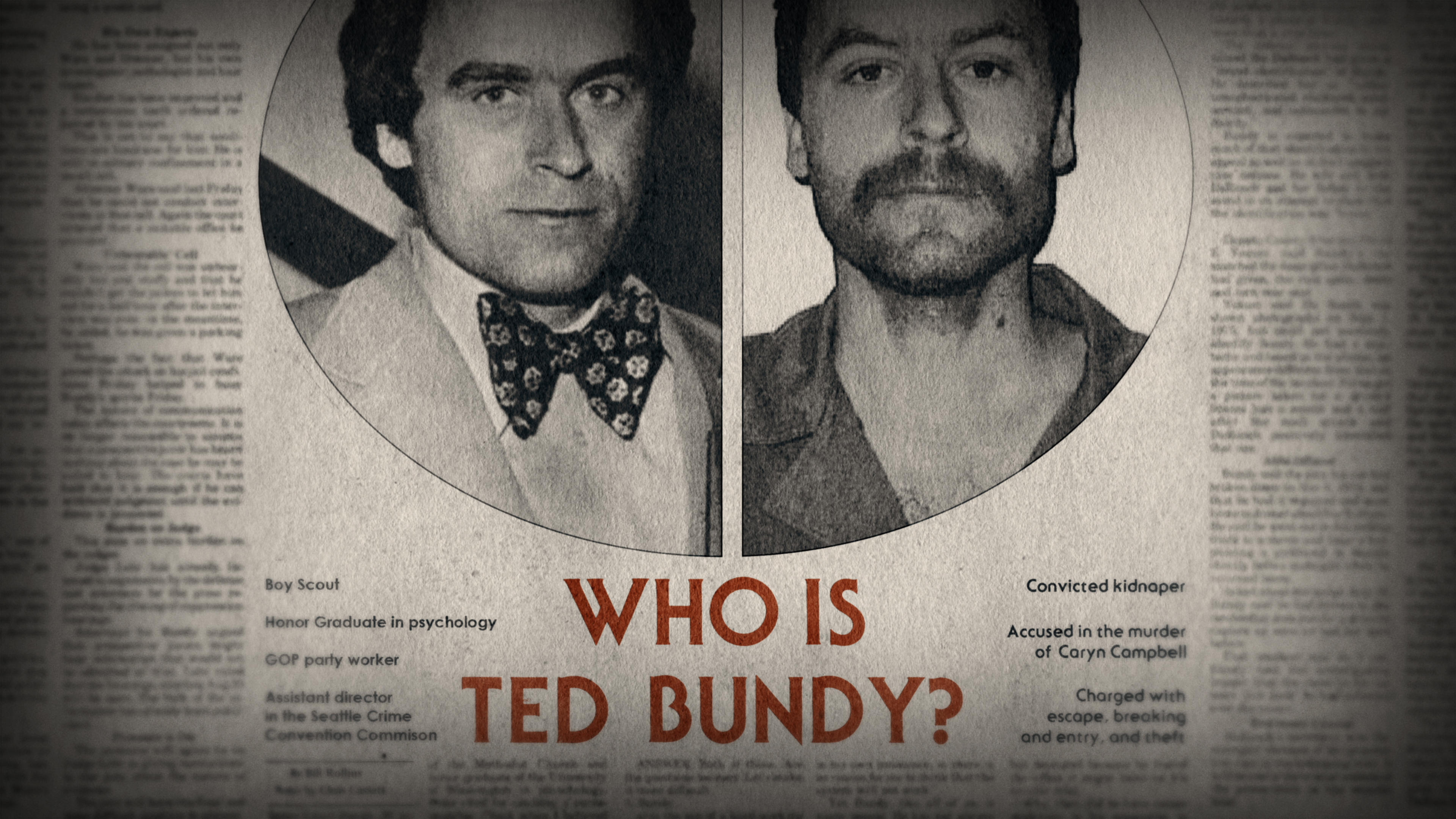
Relating to this I also turned to Netflix documentaries which are stories told from people that have gone through a traumatic experience to gain insight on how the character can develop. Two documentaries which helped me the most were the Ted Bundy Tapes and also Abducted in Plain Sight. Both have interviews with the people who were directly involved in the incidents. It also showed other members of the family and what they felt at the time. I used these to have a more accurate script. As I have never been in a horrific situation like this I wanted to know how the person being abducted felt and reacted.

2 Secondary Sources that I Gained Inspiration From...
The first secondary research that this screenplay and single camera production was inspired by was the famous BBC police drama, 'Killing Eve'. In particular the very first scene of the first episode of season one when she is waking up. This develops a creates a persona to the main character in a nice and steady montage to establish the equilibrium. This is along with creation of an alcoholic depressed persona of the main character with connotations, such as empty wine bottles and glasses to show her loneliness alcoholism as a character. This is very cleverly portrayed, even without the introduction to any police drama genre yet. As well as this, Killing Eve also produces some fast paced montage actions that I have been inspired by too. This is more specific in chasing scenes, where Eve is chasing and trying to track down the antagonist as quick as possible with the quick variety of shots developing tension as the narrative moves forward. Putting audiences on the edge of their seats. Just what I aim to do during the production of my section of the opening sequence, which is in the police car and the significant raid.

The final secondary research source I gathered that inspired this screenplay and the single camera production was just simple, general research about police uniform with a booklet about their appearance and dress code. This specific type of research allows me to research into what a United Kingdom police officer really looks like. This evidently allows the police officers to dress for the occasion along with the smart casual look of Joe Caxton and Suzanne Melark. This creates further authenticity and seriousness of the cottage raid scene along with the quick intense montage as well as the mise-en-scene which really shows police moving into the cottage at speed along with weapons too. This all generates a further sense of tension and suspension of disbelief within this conducted research on the rough appearance of police officers and other related jobs. In which I aim to match their requirements to as close and accurate as possible for my single camera production scene. Specifically within the cottage raiding scene that I was selected with.
http://careers.northumbria.police.uk/uploads/1/6/7/6/16763152/np_dress_and_appearance_protocol.pdf
4. Preparing Material
Primary Research -
This is research that you conduct yourself.
Advantages -
1. One advantage of primary sources is the reliability of them. This is with the concept that this type of source is very much the most authentic one. It is where emotions are actions are described from a real life situation in which the event happened. This is specifically crucial within a narrative that was developed around a tragic event or news story. This is because of the fact that not many people would know what their actions would be until they are faced with that event or news story. In this case, the primary source has and allows productions to gather information within the potential character's reactions during the narrative that would add even more authenticity and realism to the narrative.
2. Another advantage of a primary source would be the period correct factual information from the time of the narrative. This is where potential rumors of what may have happened within an event may have been talked about in a variety of different ways. This allows the primary source to produce the factual information that is correct comparing with the numerous rumors that have been told about the event that relates to the narrative. A hypothetical example of this would be the rumors about 9/11 being a hoax and produced by the United States government for tactic reasons. In this case, the primary source would be able to confirm whether this was true or not with the question being asked to the government or even the suspected terrorists behind the attack.
3. Finally, the last advantage to a primary source would be the fact that the information is up to date to recent times. This is with the concept that the primary information would be up to date relating to the narrative being produced. This is since the fact that the primary source would have experience within the story and if they are still involved within the concept they are still able to gain ongoing information to the narrative. An example of this is the ongoing event of BREXIT. The key primary source to this information is the United Kingdom's Prime Minister. This is because she has all the latest information within the BREXIT deal as she is currently ongoing talks with the European Union at Brussels to get the best deal for the UK. This currently means that only the Prime Minister will know how much of a good deal the UK are getting and whether it will improve or not.

Disadvantages -
1. One disadvantage of primary sources is there accessibility within gaining the source. This is all due to their rarity within the source, especially if it was a long time ago. This is with the concept of only a number of people surviving and experiencing the matter of the narrative. Like Millvina Dean, who was the only remaining survivor of the Titanic until she died in 2012. This is also the same with physical objects too because there is only ever one original item that has experienced or produced information within someone's feelings of the event, such as Anne Frank's diary.

2. Another disadvantage of primary sources is their potential manipulation from a human source that has experienced the event. This could be to produce a positive or negative light on the matter relating to the narrative. This means that this source has been changed to suit the person who experienced its needs. This could be through the idea that they don't want to reveal much information or maybe even to manipulate the audience into not wanting to experience it. An example of this could be my Paul Hannaford source. In which he potentially could have manipulated his experience to produce a child friendly talk and also produced a much more negative light on his life story as he develops his life story into a much worse situation than he actually was in.
Secondary research -
Research which has already been undertaken by someone else.
Advantages -
1. One advantage of secondary sources would be the easy accessibility of these sources. This is in the way that a they can be found from a variety of different sources. Whether it is physical or digital. For example, my secondary source film called 'Drive' can be found on the digital streaming service: Netflix. This enables me not having to even get up from the sofa to access a secondary source that inspired me to develop my narrative.

2. Another advantage of a secondary source is the cost to access this information. This is with the concept that primary information is very rare and may cause writers to travel places to interview certain people. However, with secondary sources this isn't needed due to the great accessibility that is already discussed. This suggests that finding this information is without any charge at all with information that is reliable to some extent. This produces a non-effective cost within developing a narrative. An example of this could be through a film review that can easily be accessed on a Sight and Sound website through no hidden charges whatsoever.
3. Finally, the last advantage to a secondary source is ability to answer a specific question from someone else gathering the information for that question. This suggests that the internet can be used as a secondary source to do this. This enables information on a specific element within a topic to be answered at an accurate manner to some extent. This allows the narrative to be moved on quickly after finding the specific information efficiently.
Disadvantages -
1. One disadvantage within secondary sources is the inaccuracy of data that may have been acquired. This is with the concept of the data potentially being manipulated for a certain audience to suit their needs. This suggests that potential tiny detailed information may have been excluded from the matter relating to the narrative. An example of this is a potential source that could be source targeted towards the child audience, like BBC Bitesize. This suggests that information may have been produced to create fun and enjoyable content with the cost of information that produced detail to the source. This could be elements, such as time periodicity with the concept of mise-en-scene not being important towards the child audience when learning about the history of World War 2.

2. Lastly, another disadvantage with secondary sources is the legal issues that may potential occur if the research is presented within the narrative if the film was potentially a documentary. This is because the secondary source may have not even been copyrighted by the information gathers themselves. This would suggest that they would've used this information without permission and so would have the writers too. This would put the writer and the developer of information into a legal battle with the owner of the specific information. In which is more likely to be authentic primary source that overpowers the secondary source.
Personally I found the most useful information has been reading books which has bought all concepts of my ideas to life. It helped me to write my treatment and learn how certain characters develop when they find certain things out like new evidence.
Also TV shows like Killing Eve has helped me to vision more of what I want in terms of having strong female roles.
For my research I have looked at screenplay layouts to know how to write my own and know what all the jargon means such as log line, parenthetical, continuous and slug line. I have also looked at other scripts which have been commissioned and made into popular TV shows like Sherlock. Reading crime novels has also been a good way to research how the writer conveys emotion and action as when people read my script I want them to be able to see in there head what is happening.

All of my research is on my blog under the screenplay label. As well as this the other way I am managing my primary an secondary sources is through folders in my documents where I separate the primary sources with the secondary sources. This enables me to easily identify what source is which by the folder name and the hint I gave the document with the source on. An example of this is the primary source of my imagination is portrayed on my primary sources folder as "screenplay idea notes". This means that I immediately know where all my imagination notes are kept when I was developing the concept towards the screenplay. This also means that all my notes are kept tidy, causing my not to lose any of my ideas and sources towards my narrative concept.
Although, after all this research into police dramas and other aspects related to my screenplay opening sequence. I did disregard one piece of information. This piece of information was the Netflix documentary, 'The Disappearance of Madeline McCann'. The reason behind this decision was due to the fact that it was a documentary that didn't really reveal in a visual aspect policing and crime investigations. When I looked into this documentary, I was expecting a very big performative documentary to be produced with visuals of police and investigation units during their work in an authentic manner. However, not much of the documentary was very performative other than really the production of the efit suspects that were described. Which in fact was very useful, although unfortunately this piece of valid information wasn't enough for me to concentrate on this documentary to the full extent. As well as this, I also believed that it produced a view point that was slightly bias in the sense of blaming the parents. This ultimately broke my suspension of disbelief when watching it, causing me to not 100% many of the authentic crime scenes that were sometimes visualised along with the media representation within the documentary, concluding me to disregard the entire documentary research for both the screenplay and single camera production.


UK Film Festival holds annual competitions which allows young people to enter with the chance of winning the UK Film Festival Winner's Laurels. Not only this but the script you write will also be sent to different production companies which could potentially become a reality.
Even runners up will get subscription to a website called InkTip which links producers and writers together to make productions.
The fee is up to £35 to enter into the competitions.
"The Rules and Guidelines are:
The script should be in English.
The script should be around 5 to 10 pages long in the recommended industry format.
The winner is obliged to agree to grant first option choice for production to the UK Film Festival.
Should there be a need to alter any small aspect of the script when it goes into production the winner should be willing to work with the script editor and/or director to develop the idea. If this should occur the rights to the script still remain with the writer."
Source - http://ukfilmfestival.com/10-minute-screenplay-competition.html
Another example of a competition that runs is BAFTA Rocliffe New Writing Competition.
This is when aspiring writers are able to enter and showcase work which could be seen by professionals. The competition runs once a year with four different segments which include film, television drama, children's media and comedy scripts.
The competition is blind judged by a range of people in the industry so they are unbiased with reviews.
If you become one of the finalists you will be able to work with BAFTA award winning actors and directors alongside having access to events and workshops which BAFTA provide for a year. From this it will give you a large amount of exposure into the industry working with different companies. Below is the full terms and conditions from the BAFTA website.
Commissioning body
One of the main UK based commissioning bodies that will accept unsolicited scripts are BBC Writer's Drama Room.
This is a scheme set up by the BBC to encourage writers to get scripts made.
Last year they had over 3800 scripts sent in which was then narrowed down to under 20 writers who then get taught development and training skills. They have windows of around one month long where people can enter the work which comes under certain categories.
How to submit? -
To submit to the writers room you will need to be signed up to the E-Submissions
All the terms and conditions can be found online and part of it is also below.
https://www.bbc.co.uk/writersroom/send-a-script/esubmission-faqs
https://www.bbc.co.uk/writersroom/send-a-script/terms-and-conditions

2. Background Material
Link to the screenplay layout post -
https://lottiesmediabtecblog.blogspot.com/2018/11/screenplay-layout-conventions.html
4 Different Inspirational Example Sources
Books, news, real life, ideas in your head (or dreams) are all different ways that you can find inspiration for creating new screenplays.
Books - The Hunger Games was originally written by Suzanne Collins. From an early age her father was part of the American Air Force fighting in Vietnam so had always heard stories about the battlefield in depth. When he was home he would also go hunting too so knew lots about wilderness survival.
It was one day that she was sat watching TV and witnessed stories on the news about the Iraq War. This is when the idea for a new book came to her head and was also heavily influenced by Greek Mythology. This combination is what then became The Hunger Games.
Source - https://www.telegraph.co.uk/culture/film/film-news/9161107/The-Hunger-Games-Who-is-author-Suzanne-Collins.html
Real life events - One of the biggest films released last year on the 26th December was the Greatest Showman.
This film is based on the real life P.T. Barnum who is played by Hugh Jackman.
Barnum ran one of the first travelling circuses after his museum burnt down in 1868. In 1871 the circus traveled around the world with weird and wonderful acts. he was married to his wife for 44 years however, due to strong working commitments would often leave the children and wife for months at a time.
Considering the film was released in December it was still taking £1 million in the cinemas every week until March 2018.
Sources - https://people.com/movies/the-true-story-behind-hugh-jackmans-the-greatest-showman/
https://www.telegraph.co.uk/films/2018/05/15/box-office-hit-greatest-showman-heading-broadway/

A Moral - This source is a very unique source that inspire writers into their screenplays. The moral inspiration is very niche within their marketing, but can also be mainstream too depending on the moral. A moral source of inspiration can be anything within a story that teachers the audience a new way of life with something to do or not to do. An example of this is the film 'Charlie and the Chocolate Factory' from 2005. The reason behind this is during the film when they have a tour around the factory. The participants get very impatient with not being able to eat the chocolate and go try and eat chocolate without asking. This then causes their children harm with them being separated from their parents, produce an allergic reaction, etc. This particular hidden moral throughout the film that is incorporated within its messages and values is "good things come to those who wait". A moral that was created and developed by that specific saying.
https://www.imdb.com/title/tt0367594/
A Personal True Story - Finally, the last source I researched was the inspiration from a personal life story. This is where a specific someone has had an interesting life full of ups and downs that could be used as a story. This narrative could be a very happy rise to fame type story or potentially a dark sad story that features a happy or sad ending. An example of this is the film 'Eddie the Eagle' from 2015. This film produced a narrative based on the ski-jumper Michael Edwards and his rise to produce an olympic ski jumping team for the United Kingdom. In which in the 1988 olympics, he succeeded his dream of becoming a ski jumper from almost working on a building site with his dad.
https://www.imdb.com/title/tt1083452/?ref_=nv_sr_1
3. Research
3 Primary Sources to Gather Script Information -
- Online Surveys, these ask questions relating to the topic to collect data and responses. It's also a free way of collecting data which only requires you to come up with questions especially if it is online as most companies will then sort the data for you. This applies to websites like Survey Monkey.

- Focus groups are also a way for small groups to come together to talk about the topics and conflicts of other peoples ideas and thoughts. This is a way to get more detailed responses as you can ask further questions. An example of this would be my own class, this would be ideal for productions, like this single camera assignment due to the fact that it allows me to gather critical peer assessments from classmates who have knowledge of the media industry. They are also very knowledgeable on how realistic improvements can do done with my script and the production of it too. This ultimately makes them a perfect primary source focus group with their knowledge, as well as being even better if I was targeting that age group too. In which I very much am with this police drama genre short film.
- Finally, the last primary source that could be used to gather information to a narrative is the writer's imagination. This is where the writer him/herself has used their creative imagination within their everyday working life to come up with a story. This could be from a dream, an experience that happened during their lifetime or even just a couple of movies integrated together with their imagination has developed a great concept for a film. An example of this is many of Quentin Tarantino's films, specifically Reservoir Dogs and Pulp Fiction. In which he created and developed both narratives to then direct the film to produce an on-screen film he desired. These film were also supported by secondary sources, such as film reviews by critic to ensure the film's success. But the narrative towards the films were his idea along with other writers working with him. This is perfect for my single camera production as I was lucky enough to be put in a group with the writer of the screenplay who was also the filmmaker too. This allows me to gather information on what she wants and thought about the scene looking like during the pre-production, production and post-production processes.
When creating my screenplay I intend to do primary research into the police force and try and interview someone who has worked on cases previously who could give me insights on how to make my cases more accurate.
Another thing I will do is create a survey to learn more about what audiences want to watch this show and who may not have any interest. This means I can almost tailor the show to what the audience wants meaning they would have more interest. From the responses to the survey I may then create a more specific focus group to find out more detail which could help with character development.
2 Primary Sources that I Gained Inspiration From...
The first primary source that inspired this screenplay and this single camera production in terms of the narrative aspect and realism within the police drama genre is Paul Hannaford who I was lucky enough, along with Charlotte (a group member) to have a talk with him about his life at my high school. This man was a drug addict and gang member within the London areas. He shoplifted to fuel his addiction to drugs, like weed, cocaine and even heroin. In which since then has cleared himself of drugs and goes around educating kids about the dangers. This talk in high school inspired my narrative and also educated it too as I managed to receive primary information within his situations with the police and what being arrested and being surrounded in a police environment was like. As well as this due to the fact that this was an opening sequence to a film. This causes many opportunities for the antagonist to potentially have a drug problem that is evident in little hints throughout the opening sequence. This could include scars and injection marks that could be seen by the audience if the antagonist was ever spotted slightly in the opening equilibrium and disruption of the film.
https://www.paulhannaford.com/life-story

The second primary source I was inspired the single camera production is simply the writer of the screenplay who is luckily enough to be in my filming group. This primary source allows me to think visually and in terms of the narrative to as I achieve a quick paced cottage scene in a desire of what the writer hopes it will look like. This is with aspects of dirty walls and messy mise-en-scene along with derelict building elements. Just like the writer described in the screenplay she wrote for her own screenplay assignment. This is as well as aspects from the screenplay that describe the cottage as being untouched for eight years along with a psychopath who has been reportedly living there. These are all aspects I can ask my primary source writer on what aesthetics she wants the cottage to be in along with its condition too. To strengthen this even further we do have a cottage in the middle of the forest that may be up for potential use. However, the writer's house is just as good as long as I use my initiative on certain specific short types during the filming process depending on the location.
3 Secondary Sources to Gather Script Information -
- Looking online to find information in regards to films that may have similar themes or characters as well as seeing what topics are popular and keep audiences interested. An example of this is the BBC popular series: 'Line of Duty'. This is very much a success police drama that is popular to a wide range of the mainstream audience as well as being aired during prime time viewing too. This is a perfect series for this narrative to be influenced by in the way certain shots can be constructed during police dramas, such as the clever use of subtle canted angles to indicate an unbalance in society and the equilibrium.
- Books are also a cheap way of finding resources as you could go to somewhere like a library or access archives to gain information. This then allows a greater sense of imaginative when gathering information about a specific genre or narrative type. For instance, Harry Potter has numerous different books that inspired the movies to a very heavy extent from a visual aspect to even the narrative. Without these books from J.K Rowling, the Harry Potter movies may have never existed.
https://www.imdb.com/title/tt0241527/?ref_=nv_sr_1
https://www.boxofficemojo.com/franchises/chart/?id=harrypotter.htm
- Journals or the News is a way to gain secondary sources from someone who has already done the research before you have. An example of this in a more cinematic point of view is Mark Kermode. He is a film critic who critiques all different kinds of movies. This is where potentially I could gather information about a similar police drama to my production and see in the article/journal about where it went wrong and what failed within its police drama film. This allows me to think about more about the mistakes of previous films to avoid any possible repetition that could be involved.
https://www.imdb.com/name/nm0449417/
For my secondary research I have watched more films and TV shows relating to murder mysteries to gain more knowledge on shots that work well and more about the settings they use and what they look like.
Relating to this I also turned to Netflix documentaries which are stories told from people that have gone through a traumatic experience to gain insight on how the character can develop. Two documentaries which helped me the most were the Ted Bundy Tapes and also Abducted in Plain Sight. Both have interviews with the people who were directly involved in the incidents. It also showed other members of the family and what they felt at the time. I used these to have a more accurate script. As I have never been in a horrific situation like this I wanted to know how the person being abducted felt and reacted.
2 Secondary Sources that I Gained Inspiration From...
The first secondary research that this screenplay and single camera production was inspired by was the famous BBC police drama, 'Killing Eve'. In particular the very first scene of the first episode of season one when she is waking up. This develops a creates a persona to the main character in a nice and steady montage to establish the equilibrium. This is along with creation of an alcoholic depressed persona of the main character with connotations, such as empty wine bottles and glasses to show her loneliness alcoholism as a character. This is very cleverly portrayed, even without the introduction to any police drama genre yet. As well as this, Killing Eve also produces some fast paced montage actions that I have been inspired by too. This is more specific in chasing scenes, where Eve is chasing and trying to track down the antagonist as quick as possible with the quick variety of shots developing tension as the narrative moves forward. Putting audiences on the edge of their seats. Just what I aim to do during the production of my section of the opening sequence, which is in the police car and the significant raid.

The final secondary research source I gathered that inspired this screenplay and the single camera production was just simple, general research about police uniform with a booklet about their appearance and dress code. This specific type of research allows me to research into what a United Kingdom police officer really looks like. This evidently allows the police officers to dress for the occasion along with the smart casual look of Joe Caxton and Suzanne Melark. This creates further authenticity and seriousness of the cottage raid scene along with the quick intense montage as well as the mise-en-scene which really shows police moving into the cottage at speed along with weapons too. This all generates a further sense of tension and suspension of disbelief within this conducted research on the rough appearance of police officers and other related jobs. In which I aim to match their requirements to as close and accurate as possible for my single camera production scene. Specifically within the cottage raiding scene that I was selected with.
http://careers.northumbria.police.uk/uploads/1/6/7/6/16763152/np_dress_and_appearance_protocol.pdf
4. Preparing Material
Primary Research -
This is research that you conduct yourself.
Advantages -
1. One advantage of primary sources is the reliability of them. This is with the concept that this type of source is very much the most authentic one. It is where emotions are actions are described from a real life situation in which the event happened. This is specifically crucial within a narrative that was developed around a tragic event or news story. This is because of the fact that not many people would know what their actions would be until they are faced with that event or news story. In this case, the primary source has and allows productions to gather information within the potential character's reactions during the narrative that would add even more authenticity and realism to the narrative.
2. Another advantage of a primary source would be the period correct factual information from the time of the narrative. This is where potential rumors of what may have happened within an event may have been talked about in a variety of different ways. This allows the primary source to produce the factual information that is correct comparing with the numerous rumors that have been told about the event that relates to the narrative. A hypothetical example of this would be the rumors about 9/11 being a hoax and produced by the United States government for tactic reasons. In this case, the primary source would be able to confirm whether this was true or not with the question being asked to the government or even the suspected terrorists behind the attack.
3. Finally, the last advantage to a primary source would be the fact that the information is up to date to recent times. This is with the concept that the primary information would be up to date relating to the narrative being produced. This is since the fact that the primary source would have experience within the story and if they are still involved within the concept they are still able to gain ongoing information to the narrative. An example of this is the ongoing event of BREXIT. The key primary source to this information is the United Kingdom's Prime Minister. This is because she has all the latest information within the BREXIT deal as she is currently ongoing talks with the European Union at Brussels to get the best deal for the UK. This currently means that only the Prime Minister will know how much of a good deal the UK are getting and whether it will improve or not.
Disadvantages -
1. One disadvantage of primary sources is there accessibility within gaining the source. This is all due to their rarity within the source, especially if it was a long time ago. This is with the concept of only a number of people surviving and experiencing the matter of the narrative. Like Millvina Dean, who was the only remaining survivor of the Titanic until she died in 2012. This is also the same with physical objects too because there is only ever one original item that has experienced or produced information within someone's feelings of the event, such as Anne Frank's diary.
Millvina Dean
2. Another disadvantage of primary sources is their potential manipulation from a human source that has experienced the event. This could be to produce a positive or negative light on the matter relating to the narrative. This means that this source has been changed to suit the person who experienced its needs. This could be through the idea that they don't want to reveal much information or maybe even to manipulate the audience into not wanting to experience it. An example of this could be my Paul Hannaford source. In which he potentially could have manipulated his experience to produce a child friendly talk and also produced a much more negative light on his life story as he develops his life story into a much worse situation than he actually was in.
Secondary research -
Research which has already been undertaken by someone else.
Advantages -
1. One advantage of secondary sources would be the easy accessibility of these sources. This is in the way that a they can be found from a variety of different sources. Whether it is physical or digital. For example, my secondary source film called 'Drive' can be found on the digital streaming service: Netflix. This enables me not having to even get up from the sofa to access a secondary source that inspired me to develop my narrative.

2. Another advantage of a secondary source is the cost to access this information. This is with the concept that primary information is very rare and may cause writers to travel places to interview certain people. However, with secondary sources this isn't needed due to the great accessibility that is already discussed. This suggests that finding this information is without any charge at all with information that is reliable to some extent. This produces a non-effective cost within developing a narrative. An example of this could be through a film review that can easily be accessed on a Sight and Sound website through no hidden charges whatsoever.
3. Finally, the last advantage to a secondary source is ability to answer a specific question from someone else gathering the information for that question. This suggests that the internet can be used as a secondary source to do this. This enables information on a specific element within a topic to be answered at an accurate manner to some extent. This allows the narrative to be moved on quickly after finding the specific information efficiently.
Disadvantages -
1. One disadvantage within secondary sources is the inaccuracy of data that may have been acquired. This is with the concept of the data potentially being manipulated for a certain audience to suit their needs. This suggests that potential tiny detailed information may have been excluded from the matter relating to the narrative. An example of this is a potential source that could be source targeted towards the child audience, like BBC Bitesize. This suggests that information may have been produced to create fun and enjoyable content with the cost of information that produced detail to the source. This could be elements, such as time periodicity with the concept of mise-en-scene not being important towards the child audience when learning about the history of World War 2.

2. Lastly, another disadvantage with secondary sources is the legal issues that may potential occur if the research is presented within the narrative if the film was potentially a documentary. This is because the secondary source may have not even been copyrighted by the information gathers themselves. This would suggest that they would've used this information without permission and so would have the writers too. This would put the writer and the developer of information into a legal battle with the owner of the specific information. In which is more likely to be authentic primary source that overpowers the secondary source.
Personally I found the most useful information has been reading books which has bought all concepts of my ideas to life. It helped me to write my treatment and learn how certain characters develop when they find certain things out like new evidence.
Also TV shows like Killing Eve has helped me to vision more of what I want in terms of having strong female roles.
For my research I have looked at screenplay layouts to know how to write my own and know what all the jargon means such as log line, parenthetical, continuous and slug line. I have also looked at other scripts which have been commissioned and made into popular TV shows like Sherlock. Reading crime novels has also been a good way to research how the writer conveys emotion and action as when people read my script I want them to be able to see in there head what is happening.

All of my research is on my blog under the screenplay label. As well as this the other way I am managing my primary an secondary sources is through folders in my documents where I separate the primary sources with the secondary sources. This enables me to easily identify what source is which by the folder name and the hint I gave the document with the source on. An example of this is the primary source of my imagination is portrayed on my primary sources folder as "screenplay idea notes". This means that I immediately know where all my imagination notes are kept when I was developing the concept towards the screenplay. This also means that all my notes are kept tidy, causing my not to lose any of my ideas and sources towards my narrative concept.
Although, after all this research into police dramas and other aspects related to my screenplay opening sequence. I did disregard one piece of information. This piece of information was the Netflix documentary, 'The Disappearance of Madeline McCann'. The reason behind this decision was due to the fact that it was a documentary that didn't really reveal in a visual aspect policing and crime investigations. When I looked into this documentary, I was expecting a very big performative documentary to be produced with visuals of police and investigation units during their work in an authentic manner. However, not much of the documentary was very performative other than really the production of the efit suspects that were described. Which in fact was very useful, although unfortunately this piece of valid information wasn't enough for me to concentrate on this documentary to the full extent. As well as this, I also believed that it produced a view point that was slightly bias in the sense of blaming the parents. This ultimately broke my suspension of disbelief when watching it, causing me to not 100% many of the authentic crime scenes that were sometimes visualised along with the media representation within the documentary, concluding me to disregard the entire documentary research for both the screenplay and single camera production.


Subscribe to:
Comments (Atom)